policy
FDA's plan to use AI to speed up clinical trials
The Food and Drug Administration announced plans to make clinical trials more efficient, starting by reviewing data in real time from trials conducted by AstraZeneca and Amgen, Lizzy Lawrence reports.
The agency also asked for input on a pilot program to work with companies that use AI to enhance safety monitoring and medication dose selections, identify safety signals, and improve patient recruitment in clinical trials.
Read more here
research
Boosting cancer screening with texts — No AI required
In this moment where it can feel like everyone is trying to use AI for everything, I was tickled by the results of a randomized clinical trial that tested the efficacy of simple text messages as a way of boosting completion of stool-based colorectal cancer screening.
The study randomized 1,275 patients to receive either a phone call or three “behaviorally informed" messages reminding them to return their test kits. Overall, 59% of people in the text group returned their kits, compared to 50% of people in the phone call group.
Co-author Leora Horwitz, a professor at the NYU Grossman School of Medicine, told me part of the challenge is getting people to pick up the phone. Of 457 call group participants eligible for reminders, nurses successfully reached just 209 and left voicemails for 67. Another problem: 161 people got no call at all, attributable to workforce constraints. “It’s an accurate representation of how a human telephone outreach works in real life,” said Horwitz.
Would this change if hospitals turn to voice AI companies to conduct robocall follow ups? All of the participants who did not receive a call would now be dialed. But a bot can’t force anyone to answer the phone.
medical devices
Hinge's new migraine offering
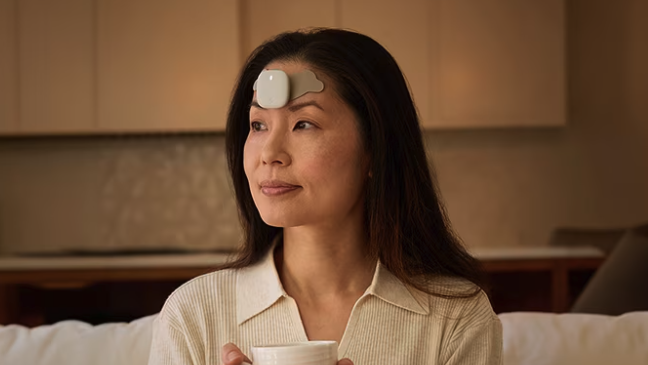
Hinge Health, which is known for a virtual physical therapy benefit offered through employers, announced a new migraine management service, including a new version of its Enso stimulation device users stick to their foreheads. The product received FDA clearance last week. While there are other forehead stimulators on the market — checkout the list of other products with the same FDA product code — CEO Daniel Perez told me said the Hinge offering stands apart because of software that helps users track their symptoms and a care team that’s included with the service. He also thinks Hinge’s device is slicker.
“We believe our gel pads are much more well designed for patients to particularly place them on their forehead,” he told me. “Our experience is a lot better. Our waveforms are smoother, our design is better.”