people
In memory of a young dad who shared his experience living with brain cancer
Anna Powell Teeter for STAT
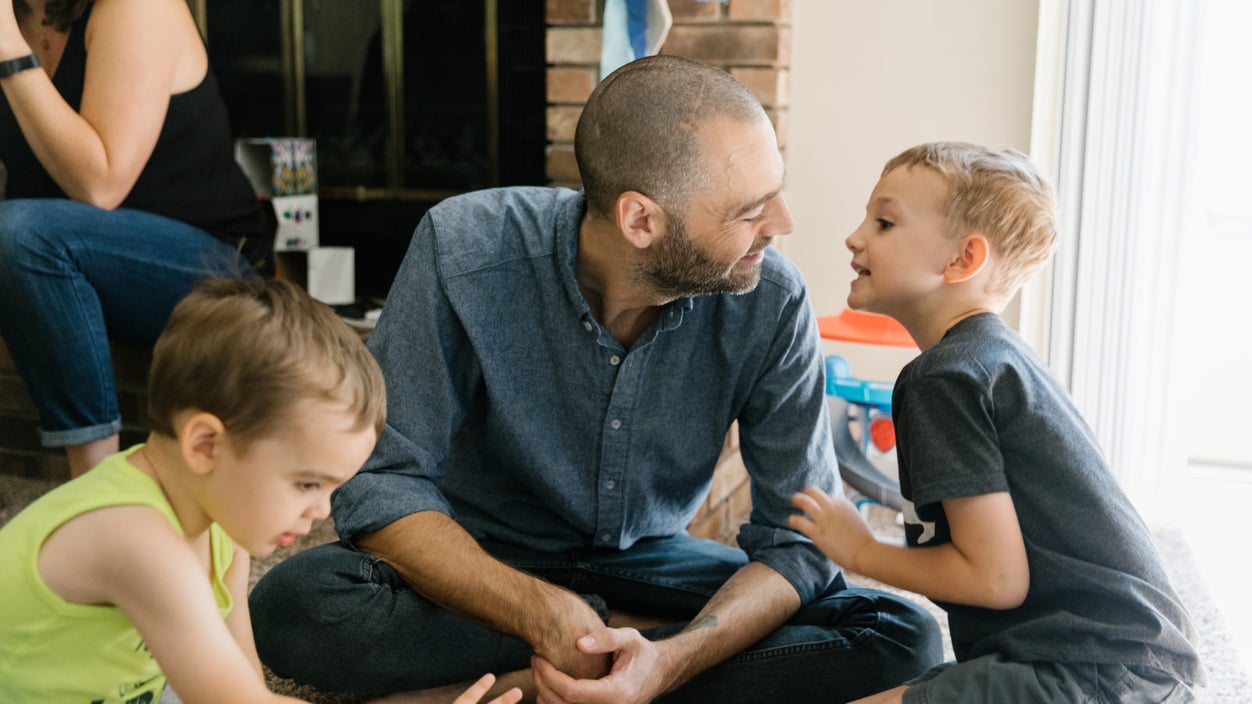
STAT’s Andrew Joseph first spoke with Adam Hayden for a 2018 profile of the young father, just a couple years after he’d been diagnosed with terminal brain cancer. Hayden devoted himself to advocacy on behalf of people with brain tumors, and was always open in his writing and on social media about his illness.
When Hayden entered hospice care at home in the Indianapolis suburbs last month, Drew, who had kept in touch with him over the years, proposed another profile. “I’ll always yap,” Hayden said. As Drew put it, Hayden would start TikTok videos speaking in the lighthearted tone that might suggest he bought a new pair of sneakers — not that he was going to dive into his “scanxiety” or the costs of his terminal illness.
Hayden died over the weekend. I urge you to read Drew’s beautiful first-person piece about Hayden’s clear-eyed advocacy and what the last nine years meant to him and his family.
health
What lizards taught one scientist about men
As a urologist — and therefore a “protector of the prostate” — Abraham Morgentaler was nervous to begin administering testosterone therapy to cisgender men without severe hypogonadism. At the time, in the late 1980s, nobody was providing such care, due to worries around prostate cancer. But his patients were desperate, and Morgentaler was open to the possibility that everyone was wrong.
“For many of us, once we leave medical school and residency, our attitudes are often formed and set, and our beliefs about certain things are well established,” Morgentaler told STAT’s Annalisa Merelli.
Read the conversation that Nalis had with Morgentaler to learn how testosterone originally fell out of favor in medicine, how it came back, and what a castrated lizard had to do with it all.