elections
Ballot measures lay bare divisions on abortion and trans issues
Kayla Bartkowski/Getty Images
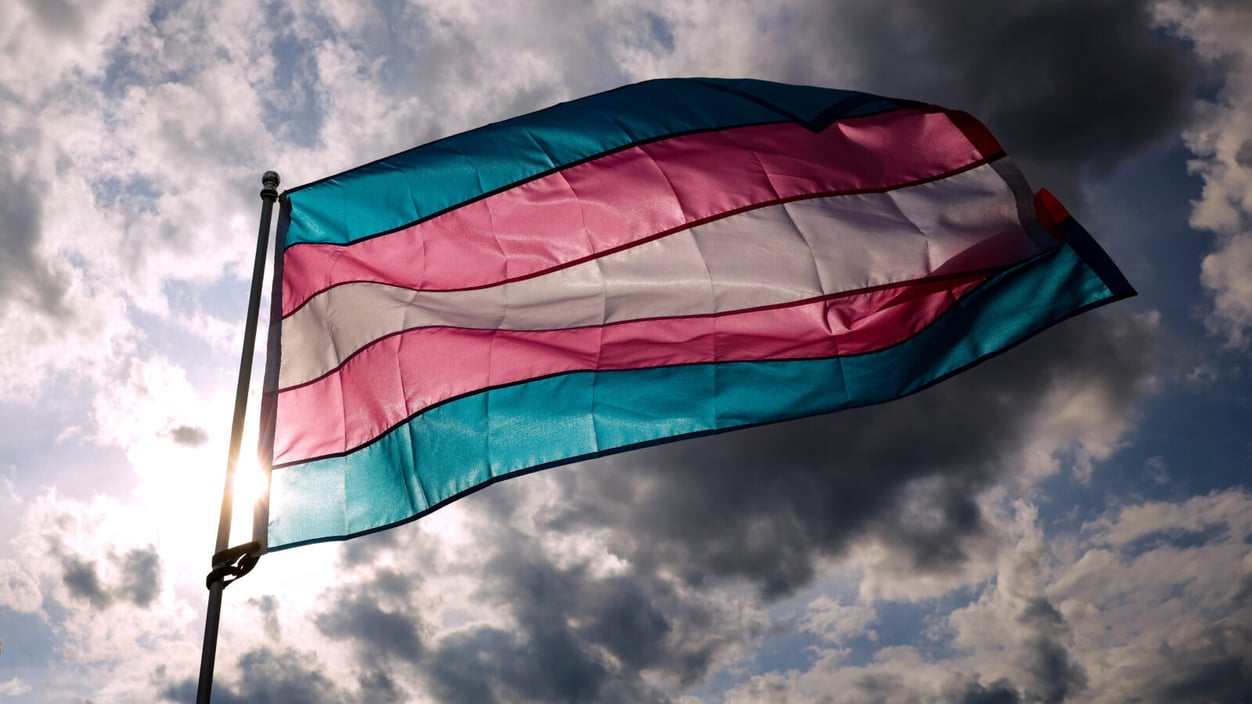
Many Democrats are still celebrating the blue wave that handed their party control of both the House and Senate. But that momentum didn’t fully translate to health-related ballot initiatives across the country. As of late Thursday, voters in Arizona, Colorado, and Washington had approved or were on track to endorse measures that would prohibit transgender youth from participating on school sports teams aligned with their gender identity. Voters in four states with abortion-related ballot measures chose to preserve the status quo, with Missouri, Nevada, and Virginia choosing to maintain abortion rights while Idaho preserved the state’s existing ban.
Meanwhile, California voters appear on track to endorse Proposition 38, which would authorize $8.4 billion in bonds to fund immunology research. The measure has sparked controversy because its main backer is also the co-founder of an institute poised to receive half the funds. South Dakota voters rejected an amendment that would have conditioned a state Medicaid expansion on federal financial support holding steady. And Massachusetts voters can breathe easier (well, sort of) after a measure to repeal the state’s recreational marijuana law was defeated handily.
You can read more from me and Theresa Gaffney. But first, let’s stick with weed for a moment longer.
fun fact
New evidence for ancient cannabis use
Early writing by the ancient Greek historian Herodotus — known for his foundational text on the Greco-Persian wars and banger quotes like, “of all possessions a friend is the most precious” — is a key source used by historians to support the idea that prehistoric communities were smoking weed. Archaeological evidence is hard to come by (plants are perishable!) and just as tricky to interpret. But a new paper, published yesterday in Science, offers compelling evidence of ritual cannabis use in a 2,800-year-old Siberian tomb.
The monumental burial mound included a log cabin-like structure, one coffin, and the remains of multiple individuals and horse sacrifices. There, archaeologists found hundreds of cannabis seeds, a handful of which were analyzed and dated to the first decade of the eighth century BCE. But there was an even rarer finding: two long braids of human hair containing significant amounts of the psychoactive compound cannabinol. “Although proving intent in a prehistoric context will remain impossible,” the authors wrote, “the evidence is strongly in favor of intentional consumption for the plant’s psychoactive properties.”
Admittedly, this is not our usual fare. But the study is a good reminder that drug use is not a modern issue, but rather a phenomenon that’s been with us for millenia. — Theresa Gaffney